
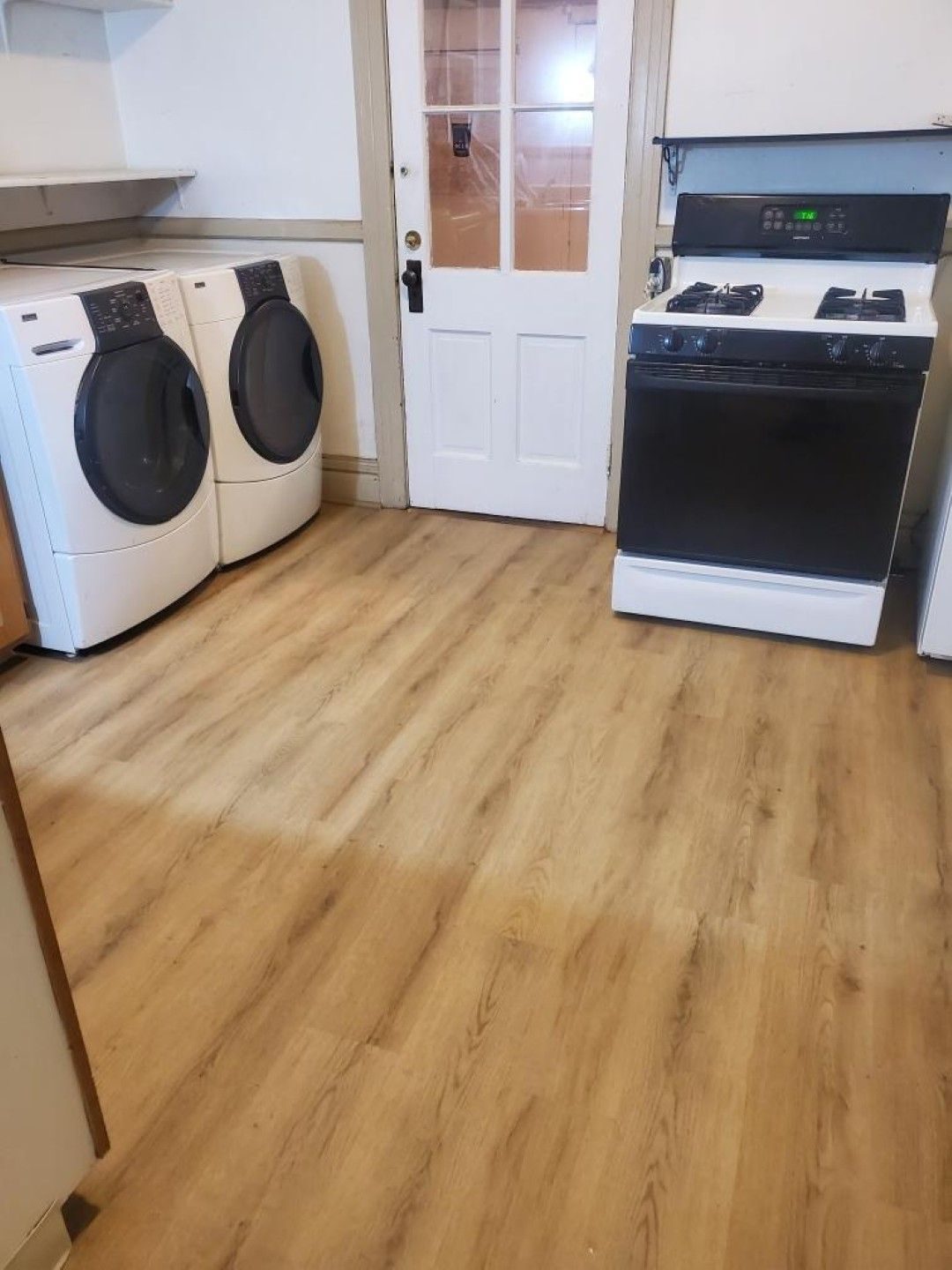
Welcome to our comprehensive guide on Luxury Vinyl Plank (LVP) flooring – the modern marvel that’s revolutionizing homes and businesses alike. As a flooring specialist with over 15 years in the industry, I’ve installed, repaired, and consulted on thousands of square feet of various materials. From high-end residential renovations to commercial spaces enduring heavy foot traffic, LVP has consistently stood out as my go-to recommendation for clients seeking a perfect blend of style, resilience, and value.
1. What Exactly Is Luxury Vinyl Plank Flooring?
Luxury Vinyl Plank, often abbreviated as LVP, is a multi-layered synthetic flooring designed to mimic the look and feel of natural wood or stone. Unlike traditional vinyl sheets from decades ago, LVP features advanced construction: a rigid core (often made from stone polymer composite or wood plastic composite), a high-resolution photographic layer for realistic textures, a wear layer for protection, and sometimes an attached underlayment for comfort and soundproofing.
In my experience, what sets LVP apart is its evolution. Early vinyl was flimsy and prone to peeling, but today’s LVP brands like COREtec or Shaw Floors use cutting-edge technology for planks that are 5-8mm thick, with embossed surfaces that feel authentically grainy underfoot. I’ve seen clients gasp in surprise when I reveal it’s not real hardwood – that’s the “luxury” in LVP.
2. How Does LVP Compare to Traditional Hardwood Flooring?
If you’re torn between LVP and genuine hardwood, you’re not alone. Hardwood offers timeless authenticity, but LVP wins on practicality every time in my book. Hardwood scratches easily, warps in humidity, and requires refinishing every 5-10 years. LVP? It’s scratch-resistant (thanks to that tough wear layer, often 20-30 mils thick), stable in varying climates, and needs zero sanding.
3. Is Luxury Vinyl Plank Truly Waterproof?
Absolutely, and this is one of LVP’s biggest selling points. Most premium LVP is 100% waterproof, meaning the core doesn’t absorb moisture, preventing swelling or mold. However, it’s not “flood-proof” – prolonged standing water can seep into seams if not installed properly.
Drawing from my expertise, I’ve tested this in real scenarios. In a commercial kitchen remodel for a bustling café in Seattle, we installed LVP over concrete subfloors. Despite daily mopping and occasional spills, there’s zero damage after three years. Pro tip: Opt for brands with a waterproof warranty (like LifeProof from Home Depot) and ensure professional installation with tight click-lock joints. In my opinion, LVP’s waterproof nature makes it ideal for basements, bathrooms, and kitchens where hardwood would fail miserably.
4. What Are the Installation Options for LVP?
LVP is DIY-friendly, but I always recommend professionals for flawless results. Common methods include floating (click-lock planks that “float” over the subfloor), glue-down (for high-traffic areas), or loose-lay (minimal adhesive for easy removal).
5. How Durable Is Luxury Vinyl Plank?
On a scale of 1-10, I’d rate LVP’s durability a solid 9 for residential use and 8 for commercial. The wear layer resists dents, fades, and stains, while the rigid core handles up to 2,000 lbs per sq inch without cracking.
I’ve seen this firsthand in a family home with three dogs and two toddlers – after five years, the LVP shows minimal wear, unlike the laminate we replaced which peeled within months. Case in point: A gym in Denver switched to commercial-grade LVP, enduring dropped weights and constant foot traffic without a single repair. Opinion: It’s not indestructible (avoid dragging heavy furniture), but with proper care, it outlasts carpet or laminate by years.
6. What’s the Cost of LVP Flooring?
Most LVP projects run $9–$11 per square foot installed, including tear-out and prep. In my consultations, clients often save 30-50% compared to hardwood.
7. How Do You Maintain and Clean LVP?
Maintenance is a breeze – sweep or vacuum weekly, mop with a pH-neutral cleaner as needed. No waxing, polishing, or special treatments required.
From experience, I’ve advised hundreds of homeowners: Avoid steam mops (they can warp seams) and use felt pads under furniture.
8. What Styles and Designs Are Available?
LVP shines in variety: From rustic oak to modern gray tones, exotic woods like teak, or even stone looks. Planks range from 4-9 inches wide and 36-72 inches long, with beveled edges for authenticity.
I’ve curated designs for diverse projects, like a coastal-themed beach house with weathered driftwood LVP that fooled guests into thinking it was reclaimed barn wood. Trends I’m seeing in 2026? Wider planks (7+ inches) and matte finishes for a natural vibe. My favorite: Mixing patterns for zoned spaces, like wood in living areas transitioning to tile-look in kitchens.
9. Is LVP Environmentally Friendly?
It’s improving, but not perfect. Many LVPs are phthalate-free, recyclable, and low-VOC, with some brands using recycled content. However, it’s still petroleum-based.
In my eco-conscious projects, I steer clients toward FloorScore-certified options like those from Mohawk. certifications.
10. Where Should You Use Luxury Vinyl Plank?
Versatile for any room: Kitchens, bathrooms, living rooms, basements, even sunrooms. Avoid extreme heat areas like near fireplaces.
From my portfolio, LVP transformed a damp basement into a cozy home theater without moisture issues. In commercial settings, it’s perfect for offices or retail due to its resilience. Final thought: If your space demands beauty without babying, LVP is unbeatable.
Ready to elevate your floors? Contact us for a free consultation.